
Whale Season in the Whitsundays
Whale Season in the Whitsundays
Every year, one of nature’s most incredible migrations takes place along Australia’s east coast. Thousands of humpback whales journey from the icy waters of Antarctica to the warm, tropical waters of the Great Barrier Reef and the Whitsundays to mate, give birth, and nurture their young.
During the Antarctic summer, humpback whales feed extensively on krill, building up the energy reserves they need for their long migration north. As winter approaches, ocean temperatures drop and food becomes scarce, signalling that it’s time to begin their epic journey to Queensland’s tropical waters.
The Whitsundays and surrounding Great Barrier Reef provide the perfect environment for humpback whales during the breeding season. The warm, calm waters offer an ideal setting for courtship and mating, while newborn calves benefit from the higher temperatures as they are born with only a thin layer of blubber. The sheltered, shallow waters also provide a safe space for young whales to develop essential survival and communication skills away from many natural predators.
For mothers and calves, the winter months spent in the tropics are vital. During this time, mothers rest, nurse their young, and prepare them for the long journey back south. Remarkably, humpback whales eat very little if at all while migrating and breeding. Instead, they rely on the fat reserves accumulated during their summer feeding season in Antarctica.
Once the calves are strong enough, the whales begin their return migration to the Southern Ocean, where abundant krill populations await. There, they replenish their energy reserves before the cycle begins again.
Photos courtesy of Tourism & Events Queensland.
Fascinating Humpback Whale Facts
• Humpback whales can grow up to 16 metres in length.
• They can weigh as much as 40 tonnes.
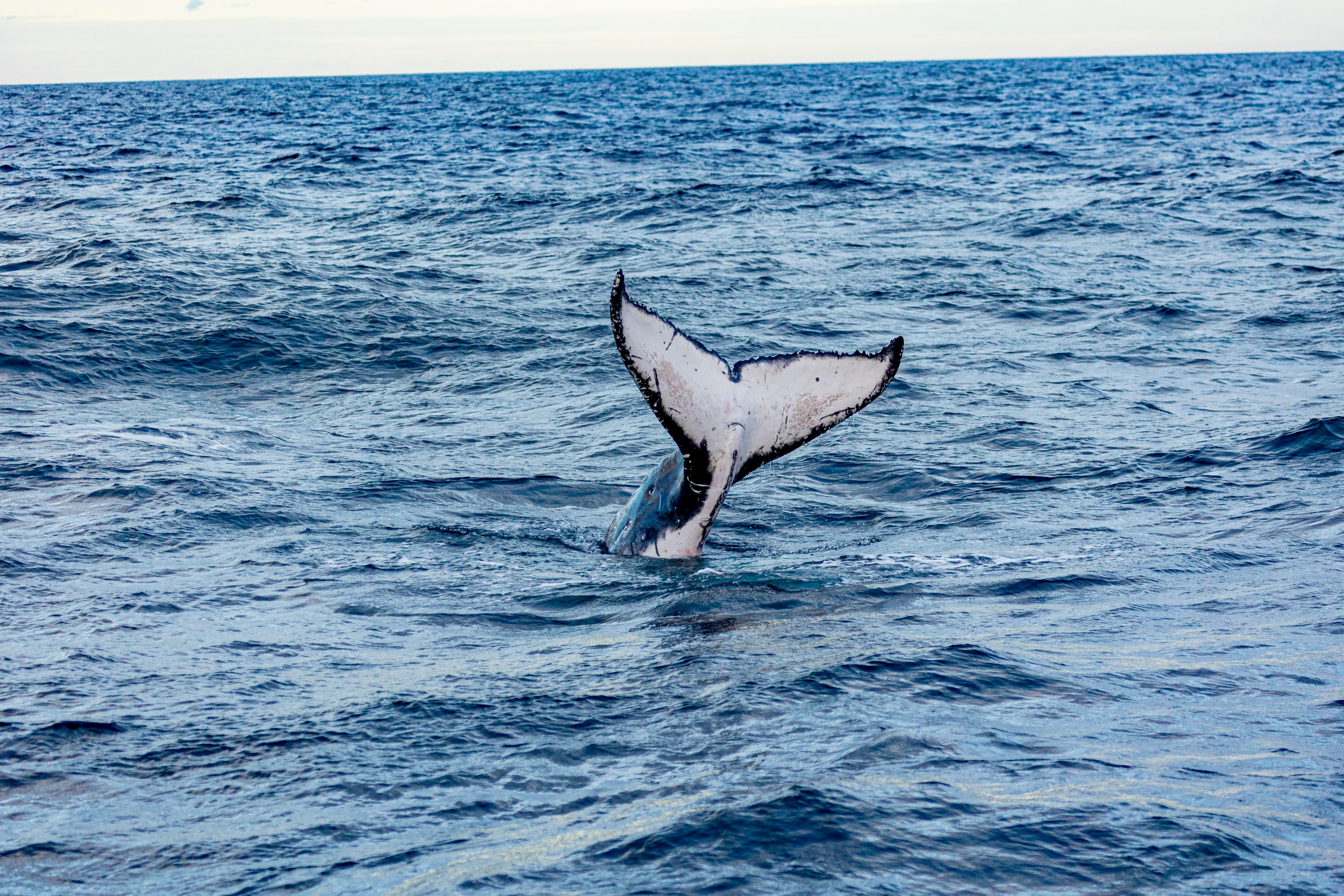
• Each whale’s tail fluke has a unique pattern, much like a human fingerprint.
• They migrate thousands of kilometres every year between Antarctica and the tropics.
• Humpback whales use a feeding technique known as bubble-net feeding, creating curtains of bubbles to help trap prey.
• They can hold their breath for up to 45 minutes.
• These magnificent creatures can live for 50 years or more.
• Humpback whale populations were once driven close to extinction by commercial whaling for oil and baleen.
• Since the end of commercial whaling, their numbers have made a remarkable recovery.
Photos courtesy of Summer Rain Mulvey.
How You Can Help Protect Humpback Whales
When enjoying whale season, it’s important to respect these incredible animals and their environment:
• Keep a minimum distance of 100 metres from whales.
• If a whale approaches within 100 metres of your vessel, place the engine in neutral and turn it off where safe to do so.
• Never attempt to touch or feed whales.
• Dispose of rubbish responsibly and never litter in the ocean.
• Report injured, entangled, or stranded whales to the appropriate authorities.
To learn more, visit the Great Barrier Reef Marine Park Authority website.
Experience Whale Season for Yourself
There’s nothing quite like seeing a humpback whale breach, slap its tail, or surface alongside your vessel. Whale season in the Whitsundays offers a truly unforgettable wildlife experience and the chance to witness these gentle giants in their natural habitat.
Ready to see these majestic creatures up close? Hop aboard Viper and experience the magic of whale season in the Whitsundays for yourself in the outer barrier reef.
Jump on Lady Enid for a relaxing day spotting whales around the waters of the islands
Photos courtesy of Tourism & Events Queensland.